

Pioneering solutions, saving lives
Research is critical to combatting brain disease and improving the lives of those impacted, today and in the future.
Conducted by The Royal Melbourne Hospital’s Departments of Neurology and Neurosurgery, the active research programs and clinical trials supported by the Foundation cover an extensive breadth of neurological conditions.
Patients wishing to participate are encouraged to view the relevant trial and contact the trial co-ordinator for more information.
| Brain Tumour / Neurosurgery: | NsurgClerk@mh.org.au |
| Dementia: | DementiaTrials@mh.org.au |
| Epilepsy: | EpilepsyCoordinator@mh.org.au |
| Huntington’s Disease: | RMHHuntingtonDiseaseStudies@mh.org.au |
| Movement Disorders: | PDNurse@mh.org.au |
| Multiple Sclerosis: | MSClinic@mh.org.au |
| Neurophysiology: | RMH-ClinicalNeurophysiology@mh.org.au |
| Stroke: | RMH-StrokeResearchTeam@mh.org.au |
| General: | Neuro.Foundation@mh.org.au |
Functional Outcomes and Control Using Synchron BCI Australia (FOCUS-AUS) - Stentrode 3
A First-in-Human Study of the CIPHER System During Brain Surgery for Newly Diagnosed Glioma
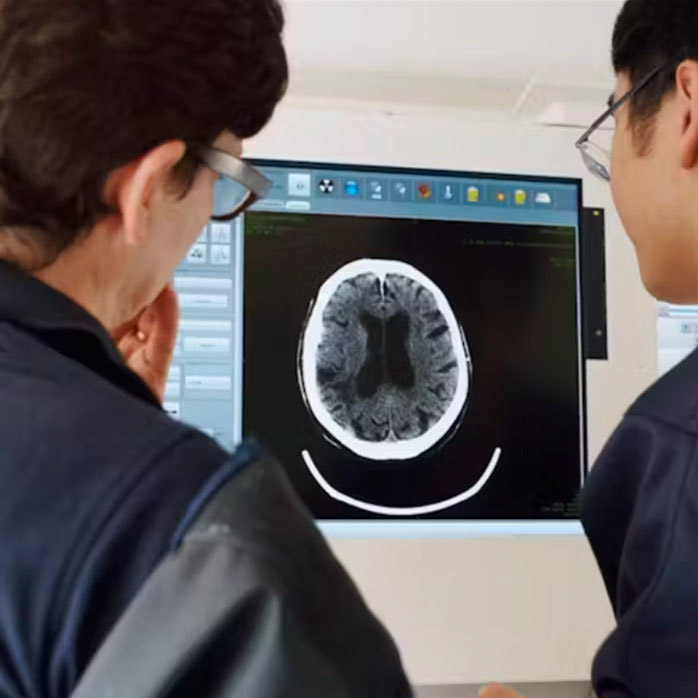
A Phase III, prospective, randomized, open-label, blinded endpoint assessment (PROBE) to assess efficacy and safety of IV tenecteplase vs standard of care in patients with acute ischemic stroke (including wake-up stroke), last known well >4.5 h with imaging evidence of salvageable ischemic tissue
Medical Management with Endovascular Thrombectomy versus Medical Management Alone in Patients Presenting Beyond 24 Hours of Last Known Well
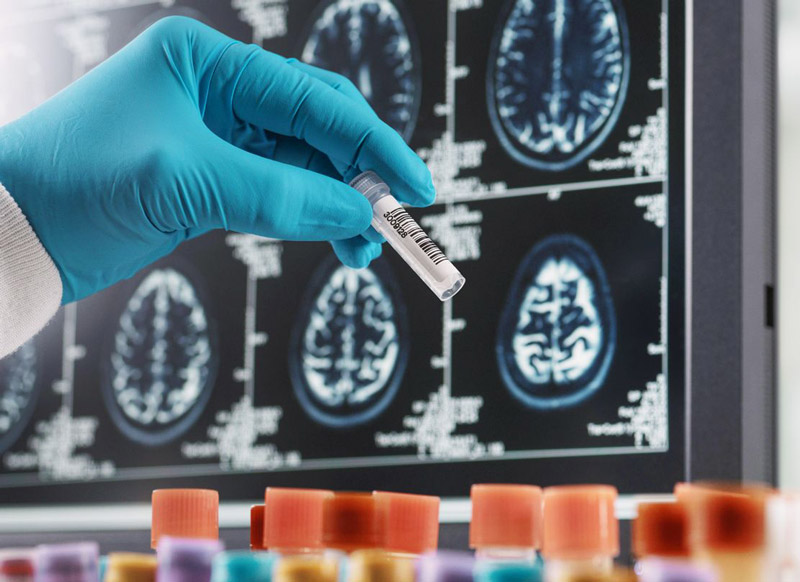
Phase III, multicentre, randomised, double-blinded, placebocontrolled, MAMS trial of SpironolacTone and famciclOvir in the treatment of Progressive MS to prevent disability progression